
December 30, 2025

min read

But only if you understand exactly what it is—and what it isn’t.
How to decide in 5 clear steps whether the R36S is worth your money.
The R36S has been everywhere lately. You’ve probably seen it sliding across YouTube thumbnails and TikTok clips, usually paired with the words “budget” and “retro”. That combination alone is enough to spark curiosity—and skepticism.
So Kagool Studios spent real time with it. No hype cycle. No affiliate fog. Just hands-on use, long enough for the shine to wear off and the truth to show.
Here’s the truth.
The R36S is not trying to compete with modern handhelds. It isn’t chasing the Steam Deck crowd or pretending to replace your Switch. What it is doing is something far simpler—and surprisingly effective: giving you access to decades of classic games in a single, pocketable device that costs less than a night out.
That framing matters, because if you judge it correctly, the R36S delivers far more than its price suggests.
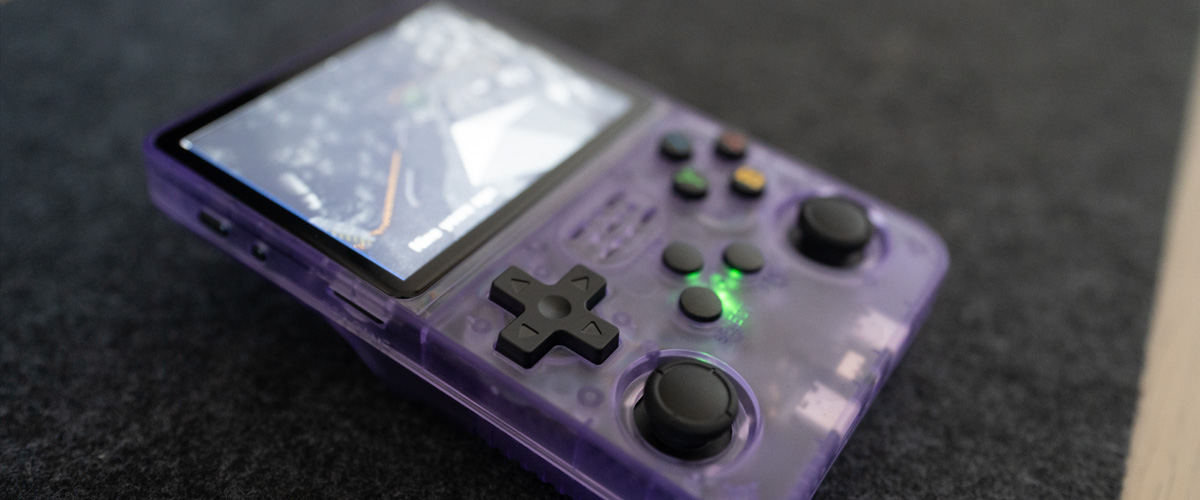
At its core, the R36S is a Linux-based retro handheld built around emulation. It arrives preloaded with multiple systems and a staggering number of games. Nintendo 64, PlayStation, Mega Drive, Game Gear, Dreamcast-era titles—this thing is a time capsule with buttons.
Setup is minimal. Power it on, choose a system, choose a game. No configuration rabbit hole required for casual use. If you’ve ever used emulators on a PC, the logic will feel familiar—but here it’s streamlined for handheld play.
Performance? For its category, it’s solid. Most classic titles run smoothly, and during testing there were no major crashes or deal-breaking issues. You’re not getting perfection, but you are getting consistency—and that’s what matters at this price.
Let’s be direct: the R36S wins on value.
You’re not paying for cutting-edge hardware. You’re paying for access—to games you already love, or never got the chance to play, in a format that’s easy to pick up and hard to overthink.
It’s especially compelling if:
There’s no Wi-Fi on this model, no online ecosystem to manage, no live services pulling your attention. You turn it on. You play. You put it away.
That simplicity is the feature.
This is still a budget console.
The build quality reflects that. Buttons may take time to memorize. The interface can feel slightly confusing at first. You won’t be playing the latest releases, and you shouldn’t expect modern console polish.
If you go in expecting a premium experience, you’ll be disappointed. If you go in expecting good-enough hardware that runs classic games reliably, you’ll likely be impressed.
The R36S does exactly what it promises—and nothing it doesn’t.
It’s a console that understands its lane and stays in it. For the price, it’s hard to beat the sheer amount of playable history packed into such a small device. It won’t replace your main console, but it doesn’t need to. It fills a different role: instant access to the past, wherever you are.
If you’ve been circling the idea of a retro handheld and hesitating because of cost or complexity, this is one of the safest entry points you’ll find.
Sometimes “good enough” is actually more than enough.